Chilliwack winters rarely stay cold for weeks on end. Rain turns to snow, snow turns to slush, and a clear night freezes everything into a sheet of ice. That freeze-thaw pattern is why anti-icing in Chilliwack works better when it happens before a storm, not after the ice has already bonded to the pavement.
This guide explains the difference between anti-icing and de-icing, how liquid brine fits in, and when to treat a parking lot or walkway ahead of bad weather.
What Freeze-Thaw Does to Pavement and Walkways
A freeze-thaw cycle is simple: the temperature crosses the freezing point, often more than once in a day. Meltwater soaks into pores and joints, then freezes again and expands.
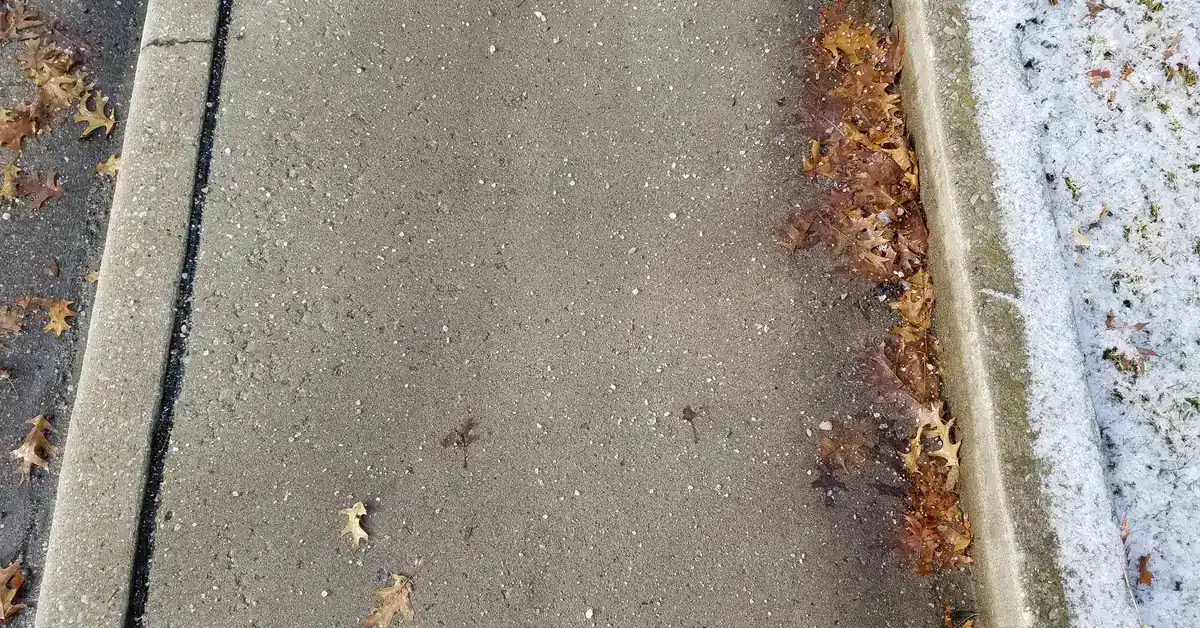
On parking lots and drive aisles, that leaves black ice. On paver walkways, it makes steps and joints slick and can loosen joint sand over a season.
Why Chilliwack sees so much of it
The Fraser Valley sits between mild coastal air and colder inland air. One night can bring wet snow, the next afternoon can melt it, and the following dawn can freeze the leftover water into a glaze. Hillside sites in Promontory and Ryder Lake often freeze sooner than the valley floor in Sardis or Vedder.
Ice that bonds is hard to remove
Once ice sticks tightly to asphalt or concrete, scraping alone is slow and rough on the surface. That is the problem anti-icing is meant to prevent.
Anti-Icing vs De-Icing: Timing Is the Difference
The two terms sound similar, but they are not the same job.
Anti-icing (preventive)
Anti-icing means treating a dry or damp surface before snow or freezing rain arrives, so ice cannot bond as easily. Liquid products are common because they spread evenly and start working as soon as moisture hits them.
De-icing (reactive)
De-icing means treating ice after it has already formed. Crews apply solid salt, sand or other materials, then scrape. It takes more material and more time, and the ice is already making the site unsafe.
Side-by-side
| Anti-icing | De-icing | |
|---|---|---|
| When | Before the storm or freeze | After ice has formed |
| Goal | Stop ice from bonding | Break ice that is already stuck |
| Typical form | Liquid brine or similar liquids | Solid salt, sand or blends |
| Effort | Lighter treatment, timed to the forecast | Heavier treatment and more scraping |
| Best use | Forecast freeze, light snow, black-ice nights | Storm already underway or missed pretreatment |
How Brine Pre-Treatment Works on a Parking Lot
Brine is salt dissolved in water. Sprayed onto asphalt or concrete, it leaves a thin film that lowers the freezing point of moisture that lands next. Used as a brine pre-treatment parking lot method, it is usually applied hours before a storm when the surface is still clear enough to drive on.
What brine is good at
- Slowing or stopping the bond between ice and pavement
- Helping plows and scrapers clear snow more cleanly later
- Covering large lots and drive aisles with a light, even coat
What brine is not
Brine is not a substitute for plowing when snow piles up. It is also not magic on a surface that is already buried under ice. If the storm arrives and nobody treated first, you are back in de-icing mode.
Surfaces that need a careful approach
Pavers, decorative concrete and areas near plants all react differently to ice-control products. Stronger chemicals can stain, pit or stress nearby landscaping. A winter plan should spell out which products go where, especially on walkways and entrances residents use every morning.
When to Treat Before a Storm
Timing is everything. Treat too early and rain can wash the product away. Treat too late and the ice has already stuck.
Watch the forecast, not the calendar
Environment Canada posts the latest Chilliwack forecast and alerts for Fraser Valley – central, including Chilliwack. Look for nights near or below freezing, freezing rain, wet snow that will melt and refreeze, or a cold snap after rain.
A practical sequence
- Check the forecast a day or two ahead.
- Confirm which areas get pretreated: entrances, ramps, accessible stalls, main drive aisles and walkways.
- Apply liquid anti-icing while the surface is still clear and temperatures allow the product to stay on the pavement.
- Plow or scrape as snow accumulates, using the pretreatment to make removal easier.
- Spot-treat any ice that still forms with de-icing as needed.
Who this helps most
Commercial sites, stratas and busy parking lots see the biggest payoff, because people arrive early for work or school when black ice is worst. Homes with steep driveways and long walkways benefit too, especially when nobody is home to shovel at dawn.
Building Anti-Icing into Your Snow Plan
Anti-icing works best as part of a full winter plan, not as a one-off spray. Agree in writing on trigger weather, which surfaces get liquid treatment, and how plowing and salting fit around it.
Priorities on a busy site
- Main entrances and fire lanes first
- Accessible parking and ramps
- Pedestrian walkways and stairs
- Then general parking stalls and secondary aisles
Our snow removal services cover driveways, walkways, entrances, lots and strata properties, and we are open 24/7 when the weather turns. Many businesses and councils fold winter care into year-round commercial landscaping, so the same crew already knows the site.

Protect the hardscape you already paid for
Repeated freeze-thaw plus aggressive scraping is hard on edges, joints and decorative surfaces. A pretreatment plan that reduces bonded ice also means less aggressive scraping later, which is easier on paver walkways and poured concrete alike.
What Anti-Icing Does Not Fix by Itself
Liquid pretreatment is one tool, not the whole winter plan. Deep snow still needs plowing, and heavy freezing rain can overwhelm a light brine coat.
Steep ramps and shaded corners may still need spot de-icing after a cold night.
Pair it with clearing and communication
The best results come when pretreatment, plowing and resident notices work together. Ask people to move cars out of priority aisles when a storm is coming, keep fire lanes clear, and report icy spots to one contact instead of a group chat of photos.
Budget for the swing years
Some Chilliwack winters are mild. Others bring storm after storm. A seasonal snow plan that includes anti-icing gives councils and managers a clearer line in the budget than scrambling for last-minute salt after every freeze.
Quick Checks for Property Managers and Councils
Before the first freeze of the season, walk the property with a simple checklist.
- Map the areas that ice first: shade, north sides, ramps and low spots.
- Decide who watches the forecast and who authorizes a pretreatment.
- Confirm product choices for asphalt, concrete, pavers and areas near plants.
- Mark where snow will be piled so meltwater does not drain back across the lot and refreeze.
- Make sure residents or tenants know which stalls to leave clear when a storm is coming.
We have been looking after Fraser Valley properties for 15+ years, so these are the patterns we see every winter from Sardis to Promontory. The sites that struggle most are the ones that wait until ice is already stuck.
FAQ
What is the difference between anti-icing and de-icing?
Anti-icing treats a surface before snow or freezing rain so ice cannot bond as easily. De-icing treats ice after it has already formed, which usually takes more material and more scraping.
What is brine pre-treatment on a parking lot?
Brine is salt dissolved in water, sprayed onto pavement before a storm. It leaves a thin film that lowers the freezing point of moisture that lands next, so plows and scrapers can clear the lot more cleanly.
When should anti-icing be applied in Chilliwack?
Apply it before a forecast freeze, freezing rain or wet snow that will melt and refreeze, while the surface is still clear. Watch the Environment Canada Chilliwack forecast and local alerts, and avoid treating so early that rain washes the product away.
Does anti-icing replace snow plowing?
No. Anti-icing helps prevent ice from bonding and makes removal easier. You still need plowing or scraping when snow accumulates.
Is anti-icing safe for paver walkways?
It depends on the product and how it is used. Some materials are harder on pavers, concrete, plants and pets than others. A winter plan should match the product to each surface, especially decorative walkways and planting edges.
Winter weather does not wait for a committee meeting. Tell us about your parking lot, walkways and entrances, and we will help you put a winter plan in place before the first freeze.
Free on-site design consultation. Open 24/7. Call 604-807-4951