Every fall, strata councils and property managers face the same question: should snow clearing be paid by the visit, or as one fixed amount for the season? Getting strata snow removal in Chilliwack right is less about the price model and more about what the contract actually says. This guide walks through both options, a side-by-side comparison, and the terms worth putting in writing.
We have been working on Chilliwack and Fraser Valley properties for 15+ years, and strata work is a regular part of what we do. The goal here is to help your council ask the right questions before the first snowfall, not after.
Why Strata Snow Removal in Chilliwack Needs a Written Plan
Chilliwack winters are hard to predict. Some bring only a dusting, while others bring heavy, wet snow and cold snaps. Rain that freezes overnight can turn walkways into a sheet of ice.
That variability is exactly why a vague handshake deal causes trouble. When nobody has agreed on when the plow comes, what gets cleared first, or who decides to salt, every storm turns into a round of phone calls.
A strata has a lot of ground to cover
A townhouse complex or apartment building is not one driveway. It can include entrances, internal roads, visitor parking, sidewalks, stairs, mailbox areas, garbage enclosures and fire lanes. Each one has its own priority and its own risk.
Slip-and-fall risk is the big one
Icy walkways and parking areas are a real safety concern for residents, visitors and delivery drivers. A clear, documented snow plan helps your strata show it is taking reasonable care of common property.
This article is general information, not legal advice. For questions about your strata’s specific obligations or liability, talk to a lawyer or your strata’s insurance provider.
Per Push vs Seasonal Snow Contract: How Each One Works
There is no single right answer in the per push vs seasonal snow contract debate. Each model shifts the weather risk to a different party, so the best fit depends on your property and how much budget certainty your owners want.
Per-push (per-visit) contracts
With a per-push contract, the strata pays each time the crew is dispatched, once snow reaches the agreed trigger depth. Salting or sanding is usually billed as a separate visit. In a light winter you pay for very little, and in a heavy one the bills add up quickly.
Seasonal fixed-rate contracts
A seasonal contract sets one price for the whole winter, usually paid in instalments. The contractor covers all the storms within the agreed scope, however many there are. Your strata gets a predictable line in the budget, and the contractor takes on the weather risk.
Hybrid options
Some stratas use a middle ground. A common setup is a seasonal rate that covers a set number of events, with per-visit billing beyond that. Another is a seasonal plow rate with salting billed per application.
Pros and Cons at a Glance
| Per-push contract | Seasonal fixed-rate contract | |
|---|---|---|
| Budget certainty | Low. Costs rise and fall with the weather. | High. One known amount for the season. |
| Light winter | You only pay for the visits you get. | You pay the full amount even if it barely snows. |
| Heavy winter | Costs can climb fast with repeat storms. | Extra storms are covered within the agreed scope. |
| Contractor incentive | Paid per visit, so more visits mean more revenue. | Paid the same either way, so efficiency matters. |
| Paperwork | Every visit needs to be checked against invoices. | Simpler billing, but service logs still matter. |
| Best fit | Smaller sites, or owners comfortable with variable costs. | Larger complexes, or councils that need a steady budget. |
What to Put in a Strata Snow Contract
Whichever model you pick, the details matter more than the headline rate. These are the terms we suggest every council reviews before signing.
Trigger depth
The trigger depth is the amount of snow that starts a visit. A lower trigger means more visits and cleaner surfaces, while a higher trigger means fewer visits and more snow underfoot between them. Write the number down, and agree how it is measured and who makes the call.
Response times and priorities
Agree on what gets cleared first, such as entrances, fire lanes, accessible stalls and main walkways, followed by internal roads and visitor parking. Set realistic target times for each area. During a big storm, every site in the valley needs service at once, so priorities keep the most important spots open.
Salting and sanding
Spell out when ice control is applied, which surfaces get it and what products are used. Salt and sand behave differently, and some materials are harder on paver walkways, concrete, plants and pets. Note whether salting is automatic after each plow or only on request.
Sidewalks vs lots
Walkways, stairs and ramps are usually shovelled or cleared with small equipment, while roads and parking areas are plowed. The contract should say which is which. If your complex borders a public sidewalk, check the City of Chilliwack’s current bylaws on who is responsible for clearing it.
Where the snow goes
Piles have to go somewhere. Mark stacking areas on a site map so snow does not block sightlines, fire hydrants, drains, accessible stalls or the visitor parking you just paid to clear. Decide in advance what happens if piles get too big.
Site map, damage and exclusions
Attach a site map that shows every area in scope, along with curbs, speed bumps and landscaped edges to protect. Agree on how damage to lawns, curbs or pavers is reported and repaired in spring. List anything excluded, such as private patios, balconies or roofs.
Communication and Documentation
Good communication is what residents notice most. A clear chain of contact keeps your property manager from fielding dozens of calls at 6 a.m.
Who calls whom
Name one contact on the strata side and one on the contractor side. Agree how owners report a missed spot and how quickly they hear back. A short notice to residents before winter, explaining the plan and asking them to move vehicles when needed, makes plowing safer and faster.
Keep service records
Ask for a log of every visit with the date, time, areas cleared and any salt or sand applied, plus photos where they help. The Province of B.C. recommends that stratas document repair and maintenance work and keep service contracts and agreements on file, and a winter service log fits naturally into those records.
Watch the forecast together
Environment Canada posts warnings and the latest forecast for Chilliwack. When a storm is coming, a quick check-in between your manager and the contractor about priorities and pre-salting can save a lot of trouble.
Budgeting for Snow in the Strata’s Annual Budget
According to the Province of B.C., a strata’s operating fund covers common expenses that happen once a year or more often, such as seasonal landscaping, and owners approve the annual budget by majority vote at the AGM. Snow clearing usually fits that same pattern, so it needs a realistic line in the operating budget.
Factors that affect cost
We do not quote prices in articles, because every site is different. These are the factors that shape a snow contract for any strata:
- The total area of roads, lots, walkways and stairs
- How much handwork is needed versus machine plowing
- The trigger depth and response time targets
- How often ice control is applied, and with what materials
- Whether snow has to be stacked or hauled away
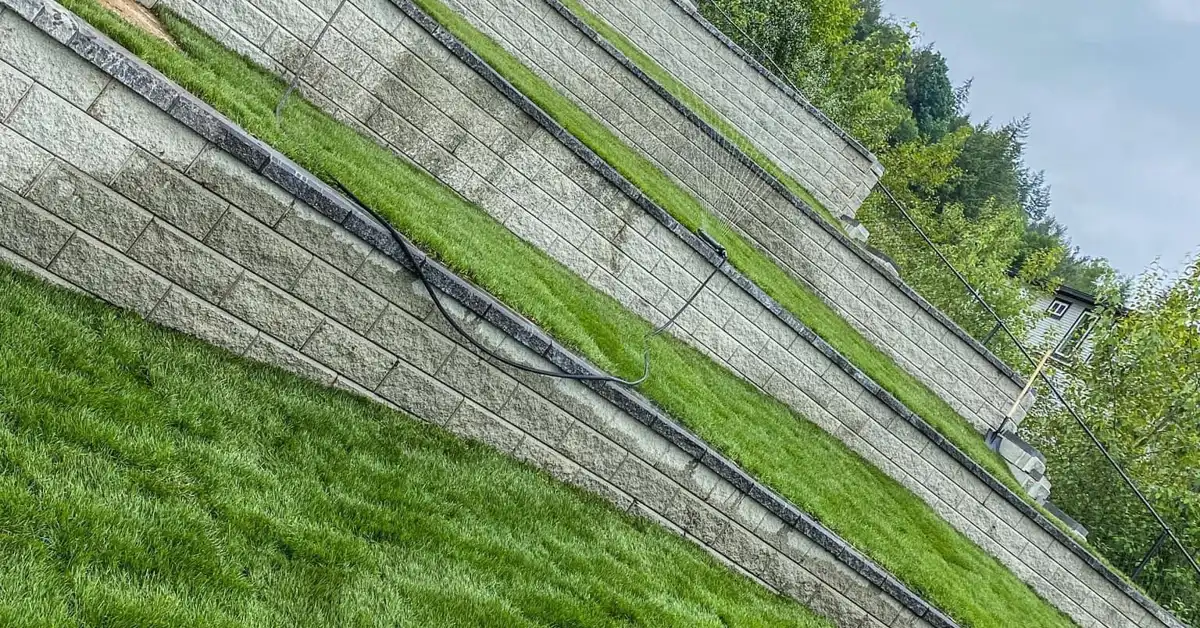
- Access, slopes and tight corners on hillside sites such as Promontory
Plan for the swing years
A seasonal contract makes budgeting simpler. If your council chooses per-push, consider how a heavy winter would affect the operating fund, and discuss that with your property manager before the AGM.
Choosing a Snow Partner for Your Strata
Start conversations early, ideally in late summer or early fall, so there is time to walk the site and finalize the contract. Booking winter service is one of the steps on our fall yard winterization checklist for Chilliwack. Ask any contractor how they handle big storms, what equipment they have, and how they report each visit.

Questions worth asking
- Can you show proof of insurance and WorkSafeBC coverage?
- What trigger depth and response times do you suggest for our site?
- How do you prioritize our property during a major storm?
- What records will we receive after each visit?
Our snow removal services cover driveways, walkways, entrances, parking lots and strata properties, and we are open 24/7 when the weather turns. You can also fold winter clearing into our year-round commercial and strata landscaping care, so the same team knows the property in every season.
FAQ
What is the difference between a per-push and a seasonal snow contract?
A per-push contract bills the strata each time crews are dispatched after snow reaches the agreed trigger depth. A seasonal contract sets one fixed price for the winter and covers all storms within the agreed scope, so the strata gets a predictable budget.
Which is better for strata snow removal in Chilliwack?
It depends on the property and the council. Larger complexes and councils that want budget certainty often prefer seasonal rates, while smaller sites comfortable with variable costs may choose per-push. Either way, the contract terms matter most.
What trigger depth should a strata snow contract use?
There is no single standard. A lower trigger means more visits and cleaner surfaces, while a higher trigger means fewer visits. Choose a depth that suits your walkways, slopes and residents, and write it into the contract.
Should salting and sanding be included in a strata snow contract?
Yes, the contract should say when ice control is applied, which surfaces get it and what materials are used. Freeze after a thaw is common in Chilliwack, so ice can be a bigger hazard than the snow itself.
When should a strata book snow removal?
Start in late summer or early fall, before the first snowfall. That leaves time to walk the site, agree on priorities and stacking areas, and get the contract approved.
Snow season is close. Tell us about your complex, from the entrances to the visitor stalls, and we will walk the site with your council or manager and help you map out a plan before the first flakes fall.
Free on-site design consultation. Open 24/7. Call 604-807-4951